

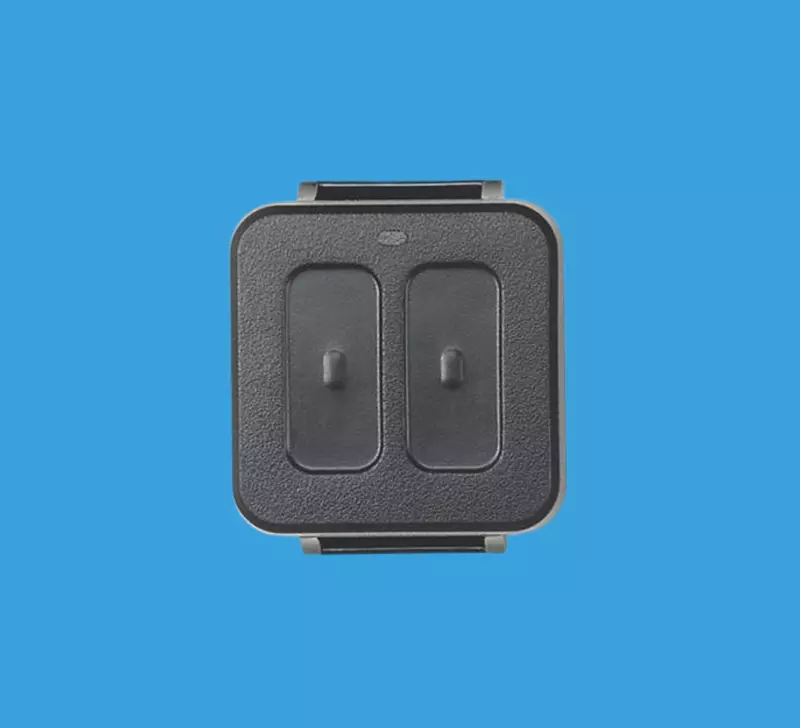
Honeywell Home PROSIXPANIC ProSeries Wireless Personal Panic Transmitter, 2-Button
The Honeywell Home PROSIXPANIC ProSeries Wireless Personal Panic Transmitter is a compact 2-button emergency transmitter designed to provide quick access to help when used with a compatible Honeywell Home or Resideo ProSeries alarm system. This personal panic transmitter allows the user to send a panic signal to the alarm panel based on the programmed emergency response.
As part of the ProSeries SiX sensor family, the PROSIXPANIC uses two-way encrypted wireless technology to help provide secure communication between the transmitter and the compatible alarm panel. Its wearable design makes it a practical option for personal safety, medical alert, panic alarm, and emergency assistance applications.
Compatible Alarm Systems
The Honeywell Home PROSIXPANIC is designed for compatible Honeywell Home and Resideo ProSeries alarm systems that support ProSeries SiX wireless panic transmitters. Compatibility should always be confirmed before ordering, especially when adding this transmitter to an existing alarm system or replacing an older panic device.
2-Button Panic Activation
The PROSIXPANIC uses a 2-button activation design. Both buttons are pressed and held briefly to send a panic signal to the compatible alarm panel. This design helps reduce accidental activations while still giving the user a simple way to request help when needed.
SiX Two-Way Encrypted Wireless Technology
This panic transmitter uses SiX two-way wireless technology with 128-bit AES encryption to help protect communication between the device and the compatible ProSeries panel. Two-way communication also supports device enrollment, supervision, and system health features when supported by the panel and service provider.
Wearable Personal Emergency Button
The PROSIXPANIC can be worn or carried in multiple ways for everyday convenience. It can be used with a belt clip, lanyard, or wristband, helping keep the panic transmitter within reach for users who may need quick emergency access.
Useful for Personal Safety and Emergency Response
Depending on the alarm panel programming and monitoring setup, this transmitter may be used for personal panic, medical alert, silent panic, audible panic, or other supported emergency response types. The exact response depends on how the device is programmed into the security system.
Ideal For
- Personal panic alarm applications
- Medical alert use with compatible alarm systems
- Senior safety and aging-in-place support
- Homes and apartments
- Small offices and businesses
- Users who need a wearable emergency button
- Compatible Honeywell Home and Resideo ProSeries alarm systems
- Adding personal emergency protection to an existing alarm system
- Replacing compatible ProSeries wireless panic transmitters
Key Features
- Honeywell Home PROSIXPANIC ProSeries wireless personal panic transmitter
- 2-button activation helps reduce accidental alarms
- Designed for compatible Honeywell Home and Resideo ProSeries systems
- SiX two-way wireless communication
- 128-bit AES encrypted security
- Can be used with a belt clip, lanyard, or wristband
- Supports remote diagnostics and system health monitoring when available
- User-replaceable battery design
- Useful for personal panic, medical alert, and emergency assistance applications
- Practical option for residential and light commercial alarm systems
Important Compatibility Notice
Before purchasing, please confirm that your alarm panel supports Honeywell Home or Resideo ProSeries SiX wireless panic transmitters and is compatible with the PROSIXPANIC.
This transmitter is not a universal medical alert or panic button. It is intended for compatible ProSeries SiX alarm systems and may not work with Honeywell/Resideo 5800 Series, 2GIG 345 MHz, Qolsys, DSC, PowerG, or other alarm systems unless the specific panel configuration supports this device.
Programming may require installer access to your alarm panel. Panic response type, emergency signal reporting, monitoring dispatch, siren behavior, user notifications, and remote diagnostics may vary based on panel model, firmware, zone programming, service provider, and monitoring plan.
Emergency response features depend on proper programming, system compatibility, monitoring service setup, and wireless range. The transmitter should be tested according to the manufacturer instructions and service provider requirements.